Chef Gary on the cold kitchen, crab legs, ice carving, and the meeting that almost ended everything
My first assignment as an apprentice at The Breakers was in the garde manger department—the cold kitchen responsible for salads, chilled dishes, pâtés, hors d’oeuvres, seafood preparations, and elaborate buffet presentations. For a young apprentice entering a kitchen of that size, it was an overwhelming place to begin.
The department was busy, highly organized, and staffed almost entirely by a Hispanic crew. I was the outsider—an inexperienced young man from Massachusetts trying to understand the pace, the language, and the expectations of a professional hotel kitchen. Fortunately, I was welcomed almost immediately. The crew adopted me as one of their own and gave me a nickname: “Gringo.” It was said with humor and affection, and before long, I felt that I belonged.
My first task was simple in theory but enormous in scale. I was given Chilean crab legs and instructed to cut them into one-inch pieces for a chilled crab salad. I cut crab legs for nearly the entire day—there were hundreds of pounds of them.
The work was repetitive, but it taught me one of my first great lessons about professional cooking: no task was small when food was being prepared for a hotel of that size. A recipe that might require a pound of crab in a home kitchen could require hundreds of pounds at The Breakers. There were no shortcuts. Every piece had to be cut cleanly and consistently.
That first day was not glamorous, but it was real kitchen work. My hands grew tired, the smell of chilled seafood stayed with me, and the pile in front of me seemed endless. Yet I was fascinated. I was no longer simply learning how to cook—I was learning how a major culinary operation functioned.
Mastering discipline, knife work, cold presentations, and the sculptural art of ice.
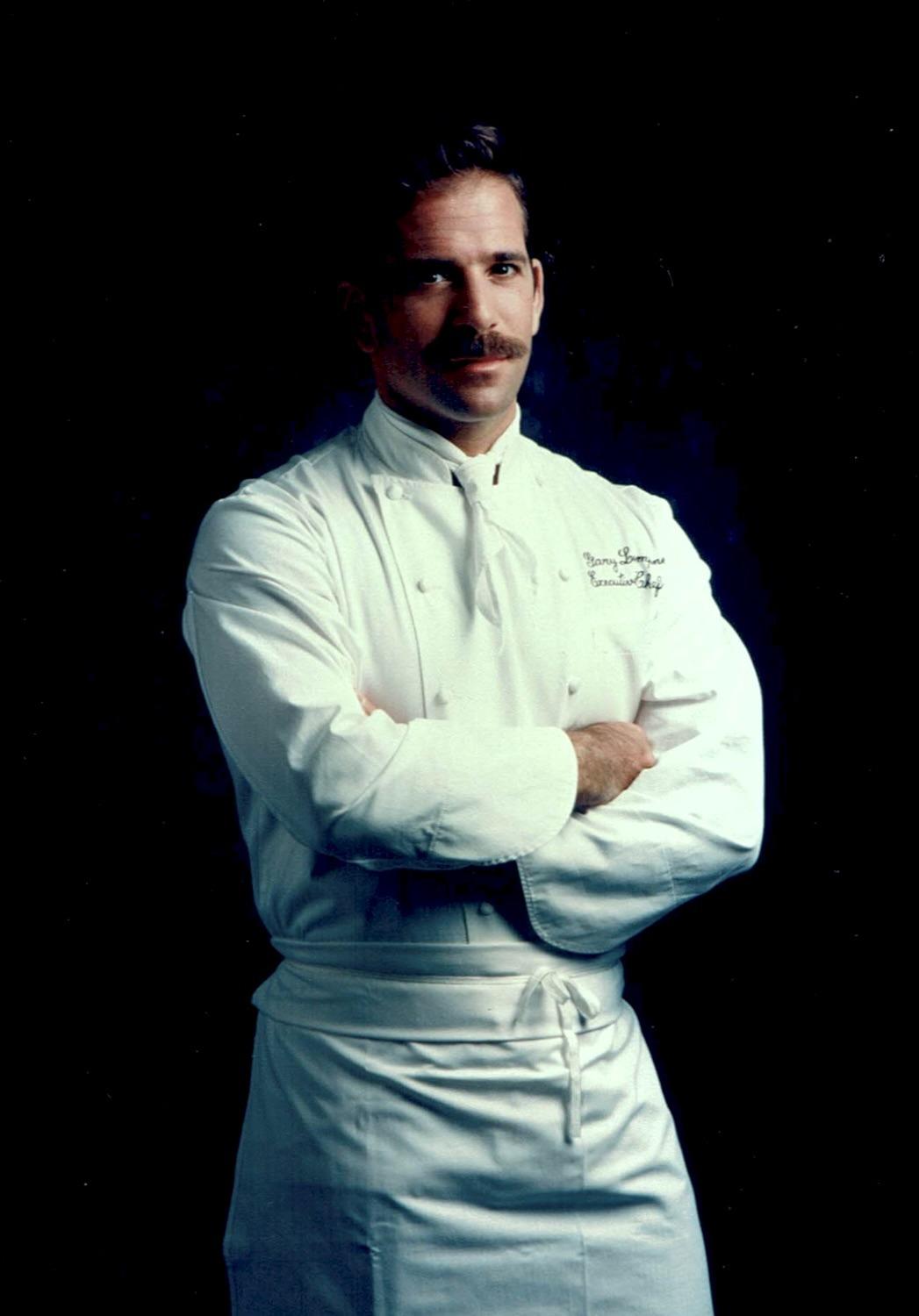
“Cooking wasn’t only about flavor; it was also about presentation, design, creativity, and performance. Food could be art, and so could the environment in which it was presented.”
Over the next six months, the garde manger department became my classroom. I learned how to prepare a wide variety of salads and dressings, the techniques used to make pâtés and other cold preparations, and how to shuck clams and oysters and handle seafood properly, safely, and efficiently. Every day brought something new. The department demanded accuracy, discipline, cleanliness, and consistency—a salad dressing had to taste the same from one batch to the next, a platter had to appear balanced and elegant, seafood had to be handled with great care, and every finished presentation had to meet the standards of one of the finest hotels in the country.
The head of the department was Chef Frank Lopez. Chef Lopez was not only an accomplished chef but also an exceptionally talented ice carver, and I had never seen anything like it. A massive block of ice could arrive looking cold, heavy, and completely ordinary. In Chef Lopez’s hands, it could be transformed into a swan, an animal, or an elegant centerpiece for a banquet table.
The process captivated me. There was speed, precision, danger, imagination, and artistry involved. Ice carving was physical work, but it was also sculpture—the finished piece might last for only a few hours before beginning to melt, yet enormous skill and effort went into creating it. Watching Chef Lopez work expanded my understanding of what a chef could be.
That interest in ice carving stayed with me throughout my apprenticeship. Near the end of the program, one of the chefs I was rooming with, Jerry Krenz, shared the same fascination with the craft. Jerry eventually started a company called Palm Beach Ice Carving, and I became a small partner in the business. I never developed any great talent as an ice carver, but I enjoyed the work immensely, and I was especially useful in the early stages of a sculpture—roughing out the basic forms and shapes before Jerry refined them into finished designs.

A moment of adversity in the executive chef’s office that shaped four decades of dedication.
About three months into my rotation, however, I encountered a problem that threatened to bring my apprenticeship to an abrupt end. The garde manger department used enormous quantities of citrus, particularly limes, and after weeks of constant exposure I developed a severe irritation on my hands. They became red, raw, and swollen, the skin inflamed and painful, and it was obvious that I was having some kind of reaction.
One day, I was told to report to the executive chef’s office—a glass-enclosed room positioned above the main kitchen like a crow’s nest, giving the executive chef a commanding view of the entire operation below. I walked in and found Executive Chef Manfred Hacker inside, along with several area chefs and other members of the hotel staff. I was told to show him my hands. I held them out in front of me, visibly red, swollen, and badly irritated.
Chef Hacker examined them. Then he looked directly into my eyes.
“This profession is not for you.”
The words struck me immediately. I wholeheartedly disagreed, but hearing that judgment from the executive chef put fear into my heart. I had worked hard to reach The Breakers, and now I felt that my entire apprenticeship might be on the line. I was not prepared to accept that conclusion. I told him I would see a doctor, follow whatever treatment was recommended, wear protection, and do whatever else was necessary to resolve the problem. I was determined not to let a reaction to lime—or anything else—end my career before it had truly begun.
Fortunately, I was able to identify and manage the reaction. My hands healed, and I continued working in the department. But I never forgot that meeting. Even today, when I work extensively with citrus, the smell and feel of it can take me immediately back to that glass office above the main kitchen—to my swollen hands held out for inspection and the executive chef looking into my eyes and telling me that I did not belong in the profession. It is a visceral flashback to the moment when I feared that everything I had begun building might be taken away. Instead, the experience strengthened my resolve.
As part of the apprenticeship, I was also required to keep a detailed logbook of the recipes, techniques, and preparations I learned during each rotation. I took that responsibility seriously, recording recipes, methods, and observations from the department, and illustrating some of the dishes I learned to prepare. Drawing them helped me remember the arrangement of the food, the shapes of the garnishes, and the way each presentation was intended to look. That logbook became a record of my development—documenting more than recipes, it captured the beginning of my transformation from an inexperienced young cook into a trained professional.
My six months in the garde manger department gave me a foundation that remained with me throughout my career. I learned how to work as part of a team, how to produce food in enormous quantities, and how to maintain quality despite the scale and pressure of the operation. I learned about cold-food preparation, seafood, pâtés, dressings, presentation, and ice carving. I also learned that obstacles would arise—and that there would be people, even highly respected people, who might question whether I belonged. The important thing was how I responded.
I entered the department as the new apprentice, unsure of myself and unfamiliar with the work. I left six months later with new skills, greater confidence, a growing respect for culinary craftsmanship, and an identity within the crew.
— Chef Gary Lampner, Founder
From the classical foundations of The Breakers to luxury events across Miami, Fort Lauderdale, and the Palm Beaches, let our seasoned team bring unforgettable flavor to your celebration.
Businesses, families, and organizations across Miami, Fort Lauderdale, Palm Beach, and South Florida trust Eggwhites Catering for exceptional food, seamless service, and memorable events. With 30+ years of experience, we make every occasion feel effortless, from menu planning to elegant presentation.
Heart a dish on any menu page to start building your wishlist.
Please share your event details and our catering team will prepare a personalized proposal.
"*" indicates required fields
Prefer to speak with us? Call 305-892-2066